TMJ & TMD Treatment · Modesto, CA
Headaches. Dizziness. Neck pain.Could it all start in your jaw?
Jaw pain may be only part of the picture. Migraines, dizziness, ear ringing, neck tension and poor sleep may all be connected to your jaw joint. An evaluation can help you find out.
Prefer to talk? Call us
Modesto 209-521-5486Monday – Friday, 8 AM – 5 PM
Does this sound familiar?
One joint. Six ways it can show up.






These symptoms can feel unrelated — but they often trace back to the same source: the jaw joint and the muscles around it.
Schedule Your TMD EvaluationReversible first.
Permanent only when we know why.
We Don't Treat a Bite. We Treat a Functional System.
The jaw joints, muscles, movement, function, and bite work together — which is why a headache, a clicking jaw, and tension in the neck can all trace back to the same source. Understanding how those parts relate to each other comes before deciding what treatment, if any, is appropriate. Nothing about your care is assumed in advance.
Stabilize. Establish. Protect.
A precise, individualized approach to TMJ / TMD care — guided by diagnosis, thoughtful planning, and treatment with purpose.
Stabilize & Verify
We begin with an oral appliance: a conservative, non-invasive, and reversible approach designed to reduce TMJ/TMD-related symptoms while evaluating how your joints, muscles, and function respond.Reversible first.
Establish
Once comfort and stability have been achieved and the treatment direction confirmed, we determine whether a permanent treatment is needed to maintain that stability long term, or whether your appliance alone is enough.Only if needed.
Protect
Once comfort, function, and stability have been achieved, we help protect them long term from clenching and grinding (bruxism), habits that wear down teeth and overload the jaw joints and muscles.Protect what we've achieved.
Not every patient requires every phase. Response and timing vary from person to person, and treatment recommendations depend on individual diagnosis, clinical findings, and response to treatment.
We want you to feel confident in your decision.
If for any reason you are not satisfied with your oral appliance(s), simply return them to our office within 12 months of delivery and we will refund the full fee you paid for them.
- 12 monthsfrom the day your appliance is delivered
- Return themto our office, for any reason
- Full refundof the fees you paid for your appliance(s)
The refund applies only to the fees you paid for your appliance(s). The initial TMD evaluation (consultation) and any X-rays or 3D imaging (CBCT) are billed separately and are not included. This is a refund policy, not a guarantee or promise of any clinical result. Individual results vary.
Schedule Your TMD Evaluation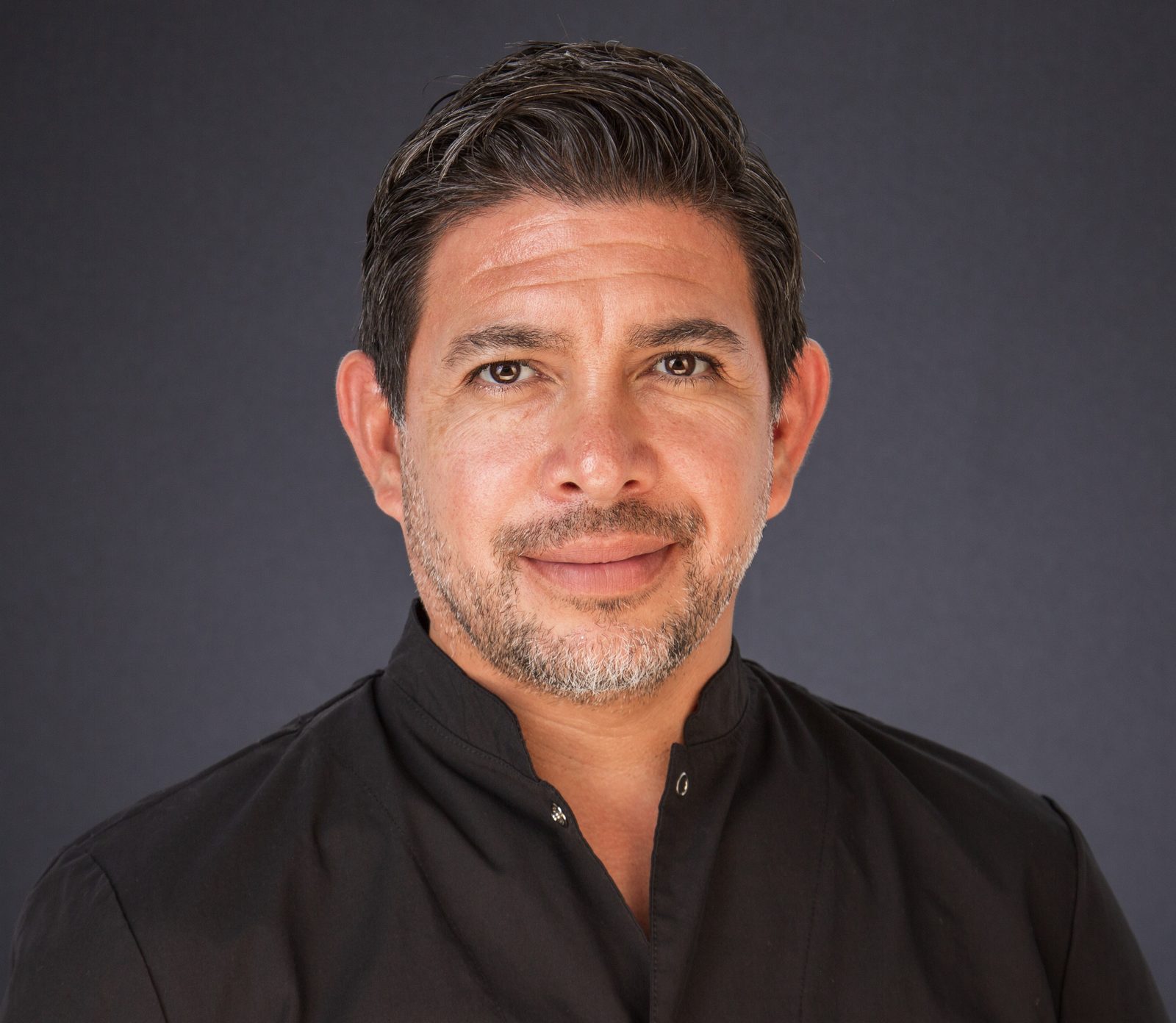
A team that looks beyond the jaw.
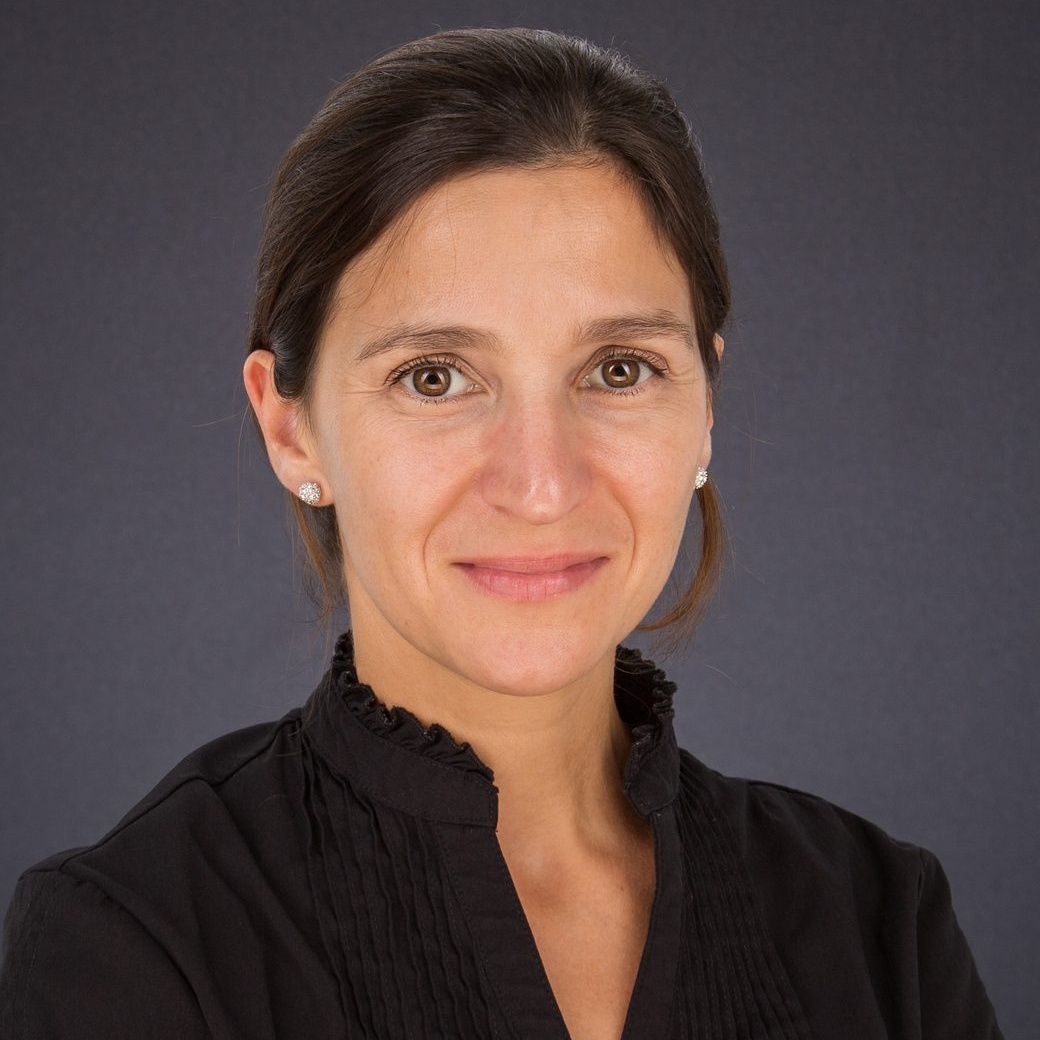
Dr. Cristian Fernández and Dr. Ana Helmbold bring a thorough, whole-system approach to every TMD evaluation at DDS with a Smile. Rather than treating an isolated symptom, they take the time to understand how your jaw, muscles, and bite work together — so any recommendation is based on what's actually happening, not a guess.
Understand first. Treat with purpose.
- Postgraduate program in Occlusion and High-Complexity Oral Rehabilitation, Clínica DATO (Buenos Aires, Argentina), under , including treatment of temporomandibular disorders (TMD/TMJ)
- Dr. Helmbold: 2003–2005 · Dr. Fernández: 2008–2010
- Dr. Helmbold served as an assistant professor in that program for seven years, teaching complex restorative and occlusal treatment
- Both bring that training to patients with TMJ disorders and complex restorative needs at DDS with a Smile
Dr. Fernandez and Dr. Helmbold are general dentists licensed in California.
Their experience. In their own words.
A few of the 300+ patients we've treated for TMJ/TMD at DDS with a Smile.
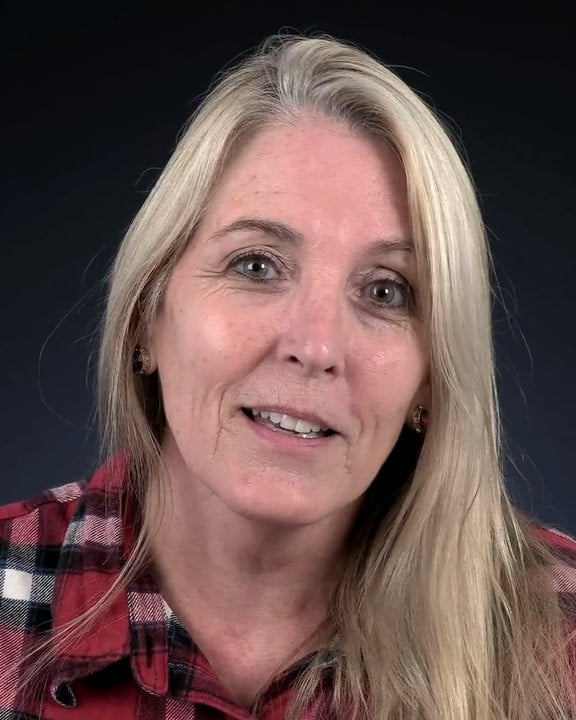
Real patients. Real stories — in their own words.
Read the full story → See all patient stories →Shared with our patients' permission. Individual results may vary.
We look beyond the jaw.
TMD is rarely about just one area. That's why we evaluate the whole functional system. We assess your jaw joints for movement and stability, evaluate the muscles of the jaw, head, neck, and shoulders, and examine how your teeth, bite, and jaw function work together.
Because understanding how everything connects is the first step toward understanding what may be contributing to your symptoms.
Focused TMD care, close to home.
DDS with a Smile provides focused evaluation and treatment for TMJ and TMD symptoms from our Modesto office, serving patients throughout Ceres, Salida, Riverbank, Turlock, and Manteca. If jaw pain, headaches, or related symptoms have been part of your day-to-day for a while, a thorough evaluation is the clearest way to understand what's going on — and what, if anything, should be done about it.
What our Modesto patients say.
“Dr. Fernandez is an excellent dentist. He takes time to explain the procedure and is very thorough. He is also a perfectionist.”
Susan V. · Google review
“He cares about his patients. He cares about his work. … He has an amazing staff that treats you like family.”
Sarah V. · Google review
“Dental hygienist was very thorough and educated me as to the steps she was taking in the procedure.”
Susan M. · Google review
Reviews come from patients of our Modesto office and describe their experience with DDS with a Smile in general. Individual experiences vary. Rating shown as of November 2026.
Questions, answered.
Understanding TMJ/TMD
What is the difference between TMJ and TMD? +
What causes TMJ/TMD, and how are bruxism and stress involved? +
Will TMJ/TMD go away on its own? +
Who treats TMJ/TMD: a dentist or a doctor? +
Symptoms
Can TMD cause headaches, migraines or neck pain? +
Why do I have jaw pain when I wake up? +
Why do I get headaches when I wake up? +
Can TMJ cause ear pain, ear fullness or ringing in the ears (tinnitus)? +
Can TMJ cause dizziness or vertigo? +
My jaw clicks or pops. Do I need treatment? +
Evaluation, cost and your first visit
How is TMD evaluated? +
What does an evaluation cost, and does insurance cover TMD treatment? +
What happens at my first visit? +
Do I need a referral? +
Where are you located, and which areas do you serve? +
Treatment
Is TMJ treatment reversible, and what does it involve? +
What kind of oral appliance do you use, and how is it different from a night guard? +
How long does it take to notice changes? +
How do I know if my TMJ oral appliance (orthotic, splint or night guard) is working? +
Beyond the appliance: Phase 2, refund policy and BOTOX®
What is Phase 2, and when is permanent treatment needed? +
How does your 12-Month Refund Policy work? +
When do you consider BOTOX®? +
BOTOX® or an oral appliance for chronic migraine: what's the difference? +
See the full side-by-side comparison, including side effects and sources →
| BOTOX® for Chronic Migraine | Our Orthotic Occlusal Appliance | |
|---|---|---|
| What it is | A prescription injection (onabotulinumtoxinA), FDA-approved to prevent headaches in adults with Chronic Migraine (15+ headache days a month). | A custom, removable appliance that repositions and supports the jaw joint to relieve the muscle tension that can refer pain to the head and neck. |
| How it's given | Injected directly into specific head, neck, and jaw muscles by a licensed provider. | Custom-fit and adjusted in our office; worn over your teeth. No needles. |
| How often | Repeated every 12 weeks, on an ongoing basis, per the BOTOX® prescribing information. | Made once per treatment phase and adjusted as your jaw responds — not a recurring procedure. |
| Medication | Yes — a prescription neurotoxin. | No medication or injections involved. |
| Common side effects | Per the BOTOX® prescribing information for Chronic Migraine, reported in clinical trials: neck pain (9%, vs. 3% with placebo), headache (5%), eyelid drooping (4%), muscle weakness (4%), musculoskeletal stiffness (4%), migraine (4%), injection-site pain (3%), muscle pain (3%), and facial muscle weakness (2%). The label also carries a boxed warning: the toxin's effects can spread beyond the injection site, causing symptoms such as generalized muscle weakness, vision problems, or difficulty swallowing or breathing, from hours to weeks after treatment.* | A short bite-adjustment period as your jaw adapts. Potential risks and side effects are reviewed with you at your evaluation. |
*Source: BOTOX® full prescribing information for Chronic Migraine (read the full prescribing information, including the boxed warning). BOTOX® is a registered trademark of Allergan, an AbbVie company — we have no affiliation with the manufacturer. For complete safety information, or to watch their official patient videos, visit botoxchronicmigraine.com.
Ready to Get Answers?
You've seen how we approach TMD care. Request your appointment online, leave your information, and our team will call you to confirm the details.
Schedule Your TMD EvaluationPrefer to talk? Call 209-521-5486 · Monday – Friday, 8 AM – 5 PM
Oral appliances are covered by our 12-month Refund Policy.
Privacy Policy
Last updated: October 2, 2026DDS with a Smile ("we," "us," "our") respects your privacy. This policy explains what information we collect through this website, how we use it, and the choices you have.
Who we are
DDS with a Smile, Dr. Cristian Fernandez, DDS & Dr. Ana Helmbold, DDS, 803 Coffee Rd, Ste 8, Modesto, CA 95355. You can reach us at 209-521-5486 or hello@ddswithasmile.com.
Information we collect
- Information you submit. When you request a consultation or evaluation through our online scheduling page or by phone, we collect your name, phone number, email address, and anything you choose to tell us about your symptoms or dental/TMJ history.
- Communication consent. If you agree to receive calls or texts when you request an appointment, we record that consent and the phone number it applies to.
- Standard website data. Like most websites, if we use analytics or advertising tools (for example, to measure which pages are helpful or to run ads), those tools may collect general technical information such as your browser type, device, and the pages you visit, generally through cookies or similar technology.
How we use this information
- To respond to your inquiry and schedule your evaluation or appointment.
- To communicate with you about your care, by phone, text, or email, consistent with the consent you've given.
- To improve this website and understand how people use it.
We do not sell your personal information, and we do not share it with third parties for their own marketing purposes.
Health information you share with us
Whether or not you've had your first visit yet, we treat anything you share with us about your symptoms or dental/TMJ history as confidential, and we limit access to it to the staff who need it to respond to you or provide your care. Once you become a patient of our practice, your health records are also protected under our HIPAA Notice of Privacy Practices, and under California's Confidentiality of Medical Information Act (CMIA), which we provide separately at your first visit or upon request.
Text and call consent (TCPA)
When you request an appointment through our online scheduling page and agree to be contacted, you agree that we may reach you by phone or text, including with automated technology, about your inquiry. Consent is not a condition of purchasing any service from us. Message and data rates may apply, and message frequency varies. Reply STOP at any time to opt out of texts, or HELP for help.
Your choices
You can ask us at any time what personal information we hold about you, ask us to correct it, or ask us to delete it, by contacting us using the information above. As a California healthcare provider, we're also subject to the CMIA's confidentiality requirements for your medical information, independent of HIPAA and regardless of the size of our practice.
Children
This website is not directed to children, and we do not knowingly collect personal information from children through it.
Changes to this policy
We may update this policy from time to time. The "last updated" date above reflects the most recent revision.
Contact us
Questions about this policy? Reach us at hello@ddswithasmile.com or 209-521-5486.
Terms of Use
Last updated: October 2, 2026These terms govern your use of this website, operated by DDS with a Smile, Dr. Cristian Fernandez, DDS & Dr. Ana Helmbold, DDS. By using this site, you agree to them.
Not medical advice
The information on this website, including the FAQ and treatment descriptions, is provided for general educational purposes about TMD/TMJ only. It is not a diagnosis, a treatment recommendation, or a substitute for an in-person evaluation by a licensed professional. Requesting a consultation or appointment online, or browsing this site does not create a doctor-patient relationship — that relationship begins only once you've had an in-person evaluation with us. If you are experiencing a medical emergency, call 911 or go to your nearest emergency room.
Results vary
Patient stories and testimonials on this site reflect the real experiences of individual patients, shared with their permission. They are not a guarantee that any other patient will have the same experience or outcome. Every case is different and is evaluated on its own.
Using this site
You agree to use this site lawfully, to provide accurate information in any form you submit, and not to misuse the site (for example, by attempting to disrupt it or access data that isn't yours).
Ownership of content
The text, images, videos, and branding on this site belong to DDS with a Smile or are used with permission, and may not be copied or reused without our consent. Third-party trademarks referenced on this site (for example, BOTOX®) belong to their respective owners; we are not affiliated with and do not speak on behalf of those companies.
Links to other sites
This site links to third-party resources, such as maps and official manufacturer information. We don't control those sites and aren't responsible for their content.
No warranty; limitation of liability
This website and its content are provided "as is," without warranties of any kind. To the fullest extent permitted by law, DDS with a Smile is not liable for any damages arising from your use of this site or reliance on its content. Nothing here limits any rights you have that cannot be waived under applicable law.
Governing law
These terms are governed by the laws of the State of California.
Changes to these terms
We may update these terms from time to time. The "last updated" date above reflects the most recent revision.
Contact us
Questions about these terms? Reach us at hello@ddswithasmile.com or 209-521-5486.

Dr. Aníbal Alonso
Argentine dentist and educator. Founder and director of Clínica D.A.T.O. in Buenos Aires, where he led the two-year postgraduate program in occlusion and oral rehabilitation of high complexity.
Academic positions
- Full professor in operative dentistry and prosthodontics, University of Buenos Aires and National University of La Plata
- Former dean of Integrated Clinics, School of Dentistry, John F. Kennedy Argentine University, and full professor of clinical prosthodontics, occlusion and temporomandibular disorders
- Former course director in occlusion and oral rehabilitation, University of Pittsburgh
Titles and honors
- National Academician, National Academy of Dentistry of Argentina
- Master of Argentine Dentistry, Argentine Dental Association
- International Academician (Cum Laude), Peru and Mexico
- Charles Stuart Award for Scientific Merit, International Academy of Gnathology
- Mexican Award for Ibero-Latin American Dentistry
- IOCIM Global Award for Excellence in Health (2011)
Author
- Oclusión y Diagnóstico en Rehabilitación Oral (Editorial Médica Panamericana, now in its fifth edition), winner of the author award at the Buenos Aires Book Fair
- Desoclusión (Quintessence, 2019)
Teaching and leadership
- Founder of the Argentine Gnathological Center and former president of the Argentine section of the International Association of Comprehensive Dentistry
- Has taught more than 200 courses abroad, including in the USA, Canada, Spain, Italy, Germany and Portugal, and more than 300 conferences and congresses outside Argentina, plus hundreds of courses in Argentina
- Continues to teach courses and lectures by invitation to this day